
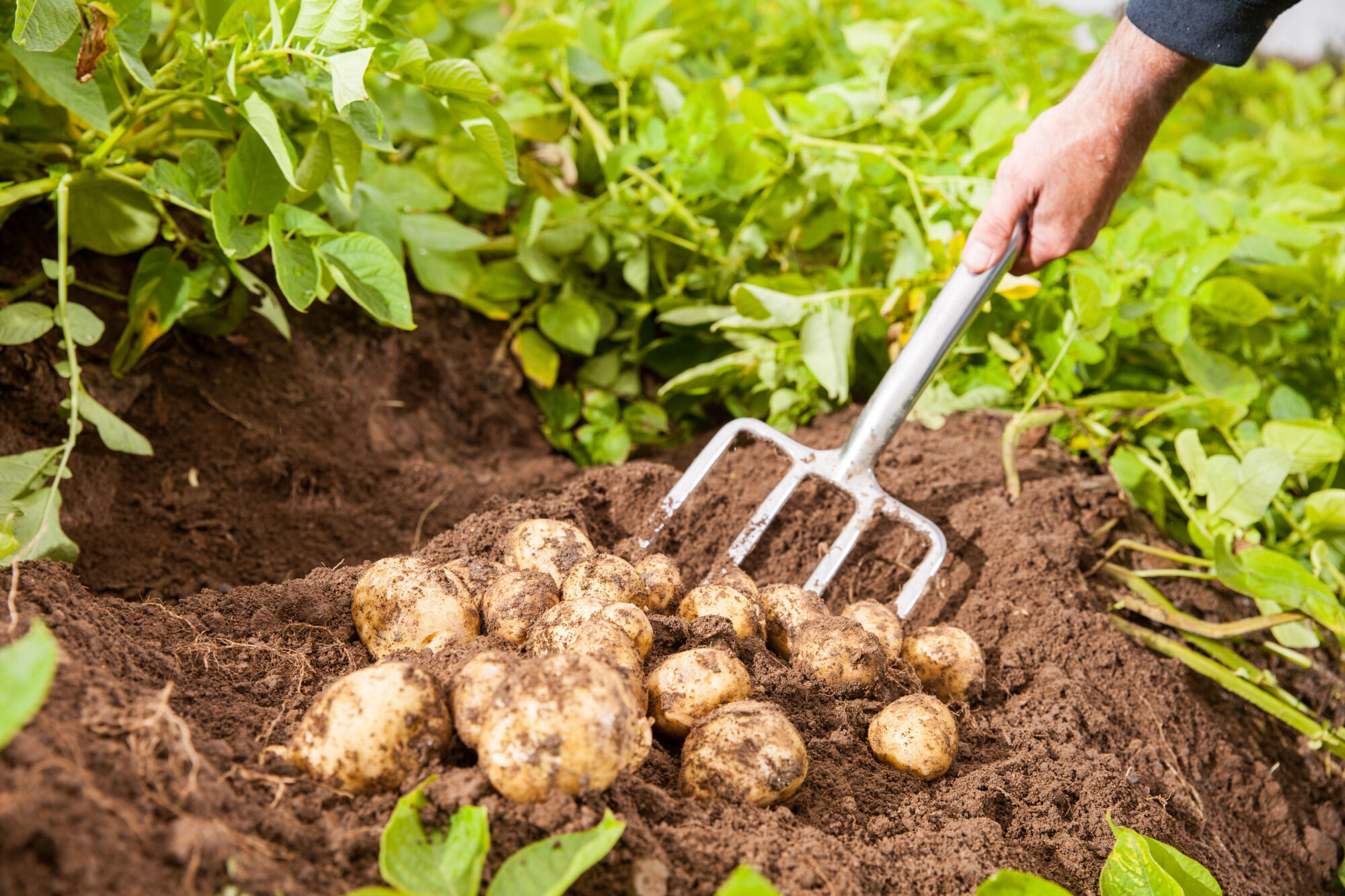
With more than 50 seed potato varieties to choose from, picking the right one can seem complicated. It becomes much easier once you decide when you want to harvest them, how you like to cook them and what texture you prefer.
At Patch, our range covers everything from traditional favourites such as Maris Piper and British Queen to waxy salad potatoes, heritage varieties and modern potatoes bred for improved disease resistance. This guide will help you find the right potatoes for your patch.
First Early →
The quickest potatoes to crop, traditionally grown for those first freshly dug new potatoes of summer. A great choice for smaller gardens, bags and containers.
Approx. 10–12 weeks to harvest.
Second Early →
A little later than First Earlies, with extra time to bulk. This group includes some excellent waxy and salad potatoes.
Approx. 13–15 weeks to harvest.
Early Maincrop →
A useful bridge between Second Earlies and traditional Maincrops, offering a more substantial crop without necessarily waiting for the latest harvest.
Maincrop →
Longer-growing varieties that generally produce larger crops. Many are excellent for roasting, baking, mashing and chipping, as well as storing for later use.
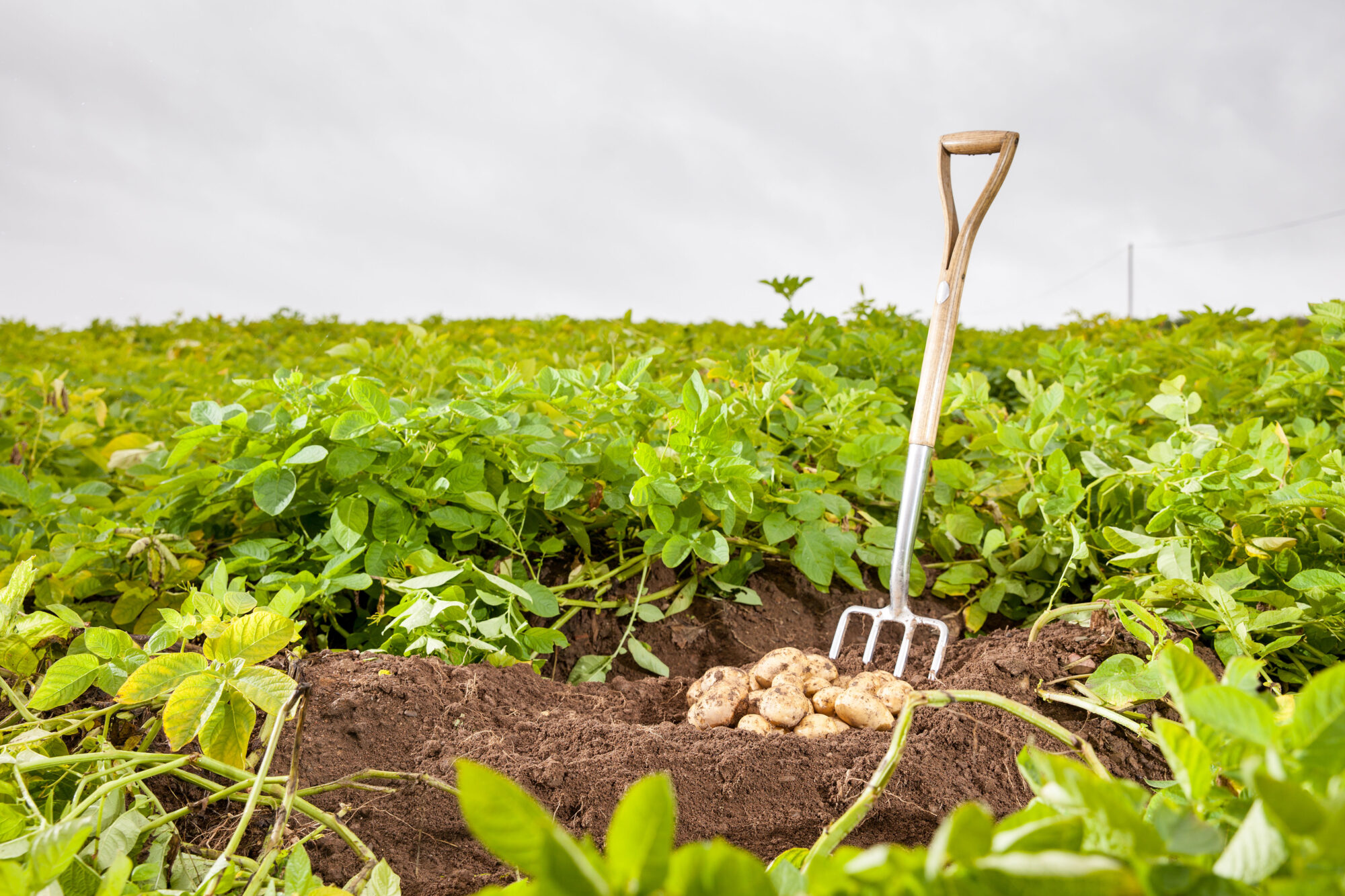
Potato growing at McCreight Potatoes in Northern Ireland, the family business behind Patch.
2. Waxy, floury or somewhere in between?
This is one of the most useful ways to choose a potato. We’ve divided the Patch range into four cooking types so you can quickly find the texture you prefer.
Waxy →
Firm and moist, with flesh that holds its shape particularly well when cooked.
Great for:
Salads • Boiling • Steaming • Sautéing
Slightly Waxy →
Retains much of the firmness of a waxy potato, but with a little more softness and versatility.
Slightly Floury →
A useful middle ground: enough fluffy character for roasting or mashing while retaining more structure than a strongly floury potato.
Floury →
Drier and lighter in texture, breaking down more readily during cooking.
Great for:
Mash • Roast potatoes • Baking • Chips
Not sure? Slightly Floury is a particularly useful place to start if you’re looking for a versatile all-round potato.
3. What do you actually want to cook?
Sometimes the easiest way to choose a variety is simply to start with dinner. Select how you want to cook your potatoes and we’ll show you suitable varieties from the Patch range.
For roast potatoes
Look primarily towards Slightly Floury and Floury varieties. These tend to provide the dry, fluffy interior that works so well with a crisp outside.
For chips
Dry matter and texture matter. A potato capable of producing a fluffy interior while developing a crisp exterior is generally preferable.
For mash
Flourier potatoes usually produce the lightest mash, although flavour is every bit as important as texture.
For salads
Look towards Waxy and Slightly Waxy varieties. Their firmer flesh helps the potato retain its shape after boiling.
For boiling
Waxy varieties are particularly dependable when you want potatoes to remain intact, but many versatile varieties boil extremely well too.
4. Consider disease resistance
Late blight is one of the most important diseases affecting potatoes in the UK and Ireland. Variety choice can make growing easier, particularly where blight has been a recurring problem.
Blight resistant does not mean blight immune. Resistance varies between cultivars and disease pressure varies with growing conditions, but choosing a variety with useful resistance can be an important part of reducing risk.
Patch stocks both traditional favourites and modern resistant varieties, including potatoes from the Sarpo breeding programme.
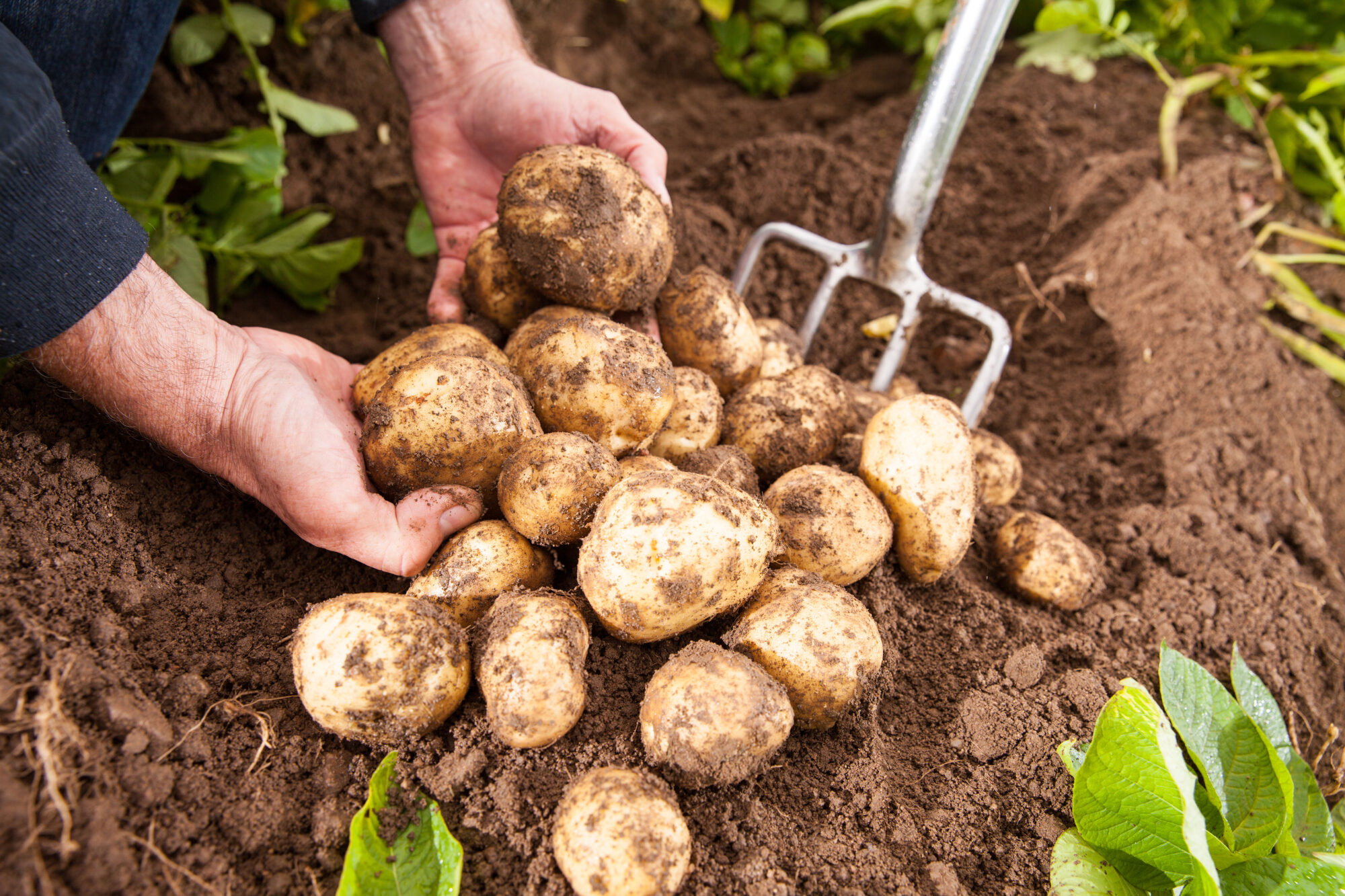
Freshly harvested potatoes at McCreight Potatoes in Northern Ireland, the family business behind Patch.
5. Growing in bags or containers?
You don’t need a large vegetable garden to grow potatoes. Containers and potato grow bags can produce excellent crops and make harvesting particularly straightforward.
For smaller spaces, First Earlies, Second Earlies and salad varieties are a good place to start.
As a rough guide, allow around 40 litres of growing medium for 3–4 seed potatoes, with good drainage and a suitable compost.
6. Heritage or modern variety?
Heritage potatoes
Heritage varieties give home growers access to flavours, textures, shapes and colours that have largely disappeared from mainstream supermarket shelves.
Many have remained popular for generations because gardeners simply enjoy growing and eating them.
Modern varieties
Modern breeding has given growers access to varieties selected for characteristics such as disease resistance, yield, appearance and particular culinary qualities.
Our approach at Patch is simple: keep the great traditional potatoes growing while continually introducing worthwhile newer varieties.
Still can’t decide?
Don’t worry about finding one potato that does absolutely everything. One of the pleasures of growing your own is being able to grow several varieties for different purposes.
A simple starting combination:
- One Early for your first freshly dug summer potatoes
- One waxy or salad variety for boiling, salads and sautéing
- One versatile Maincrop for everyday kitchen use
- One floury Maincrop for roasting, baking, mash or chips
- If blight is a concern, include one resistant variety too
Find the right potatoes for your patch
Browse our full seed potato range and use the Maturity, Cooking Type and Culinary filters to narrow down more than 50 varieties.