


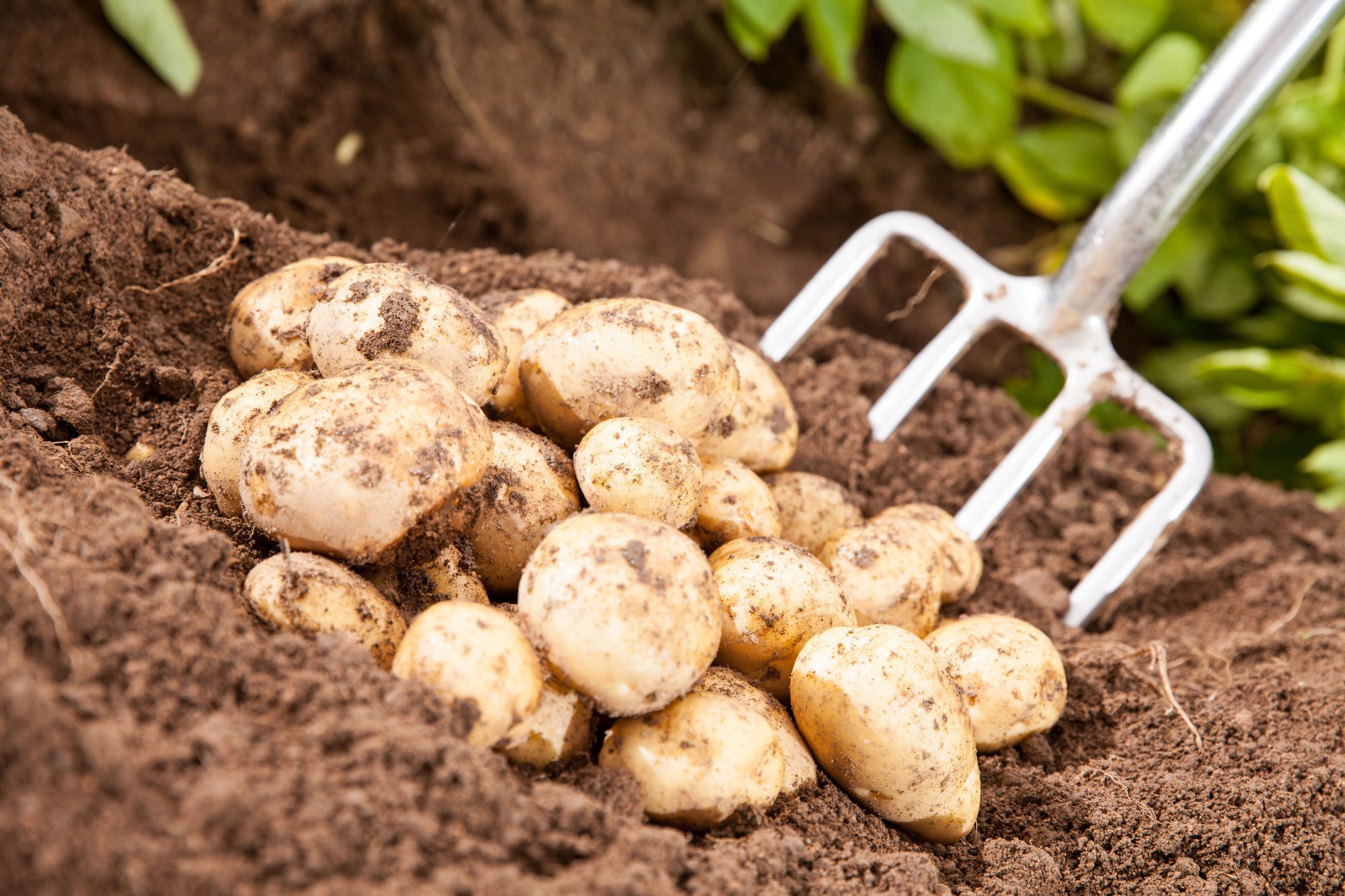
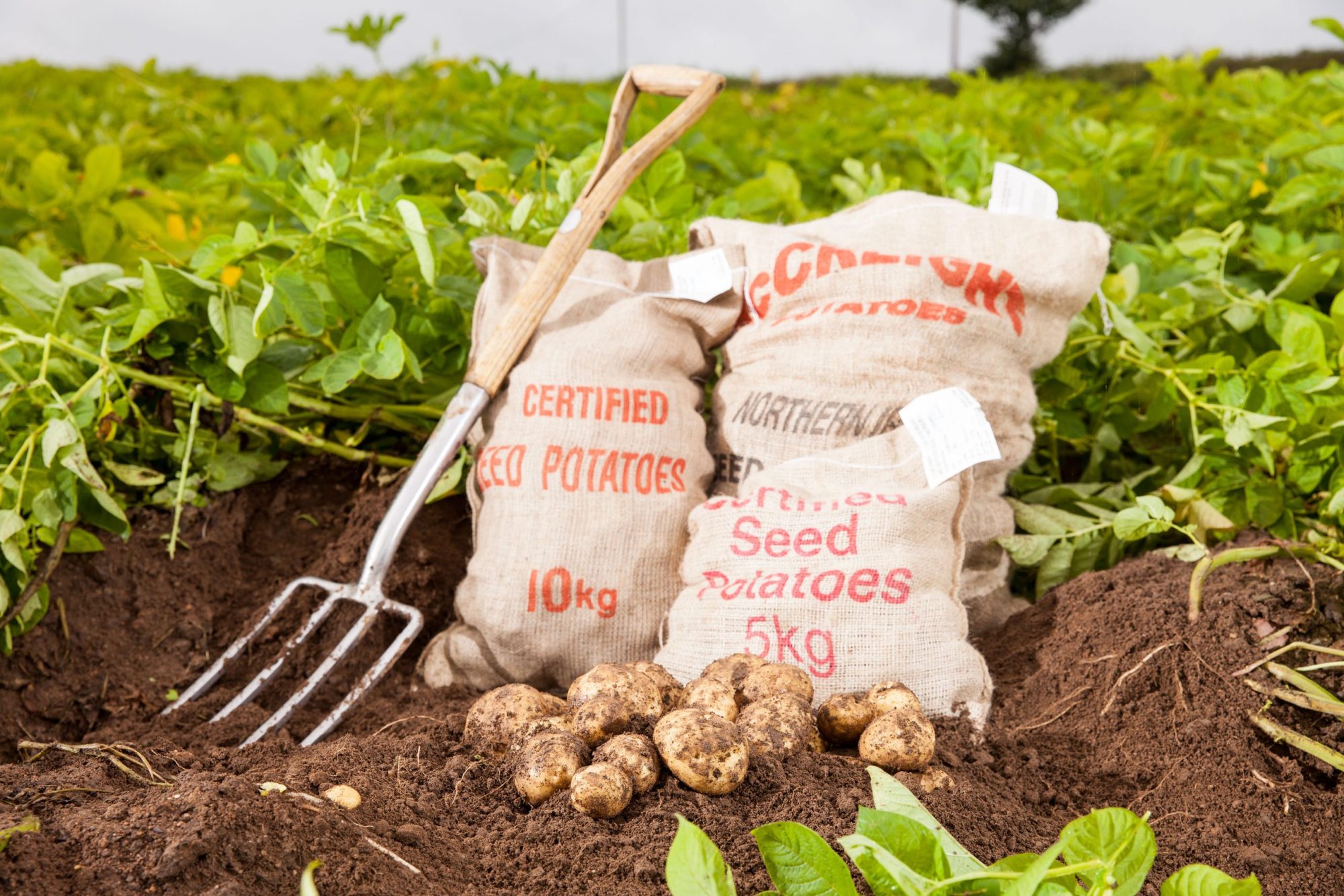
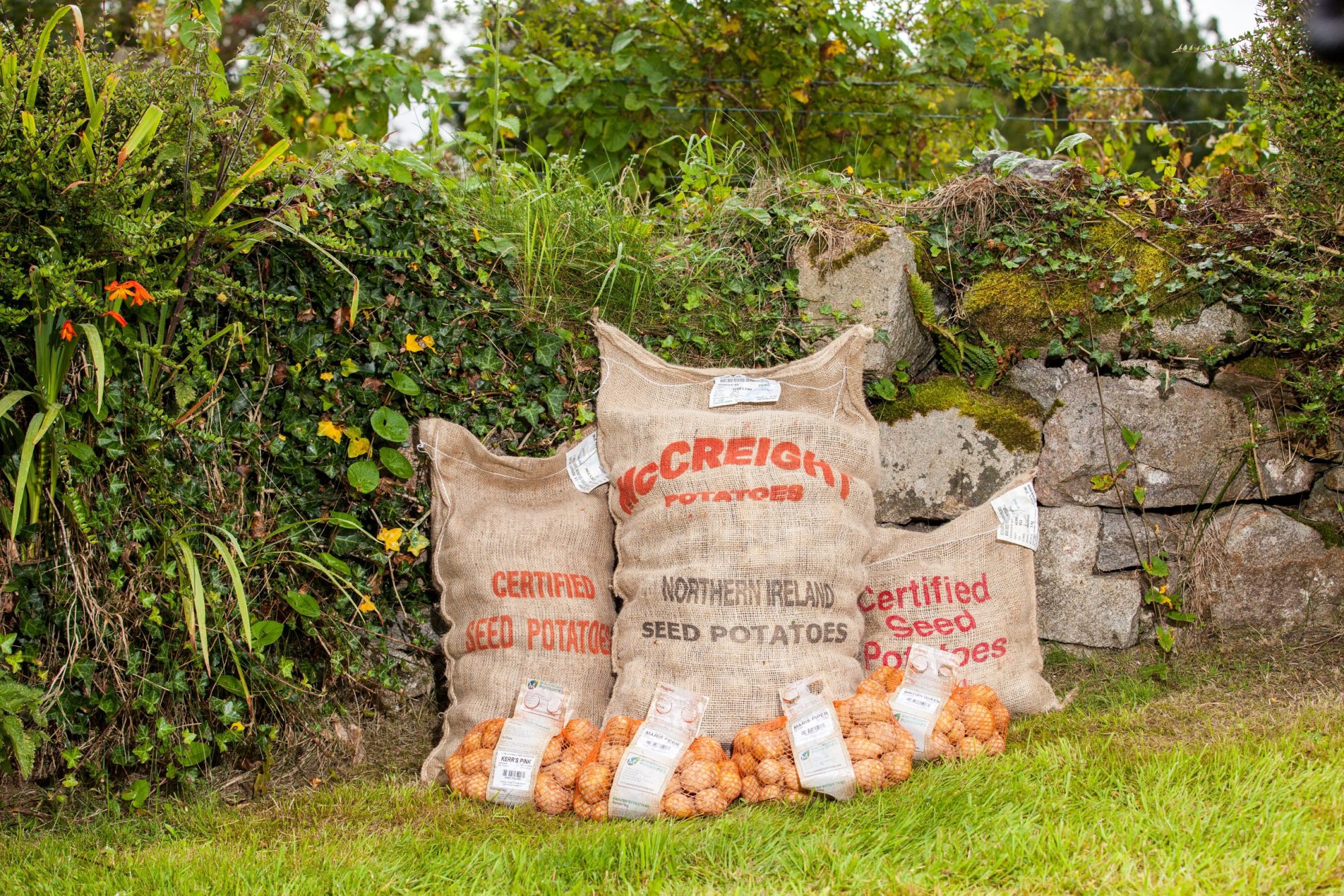
10 Certified Seed Potatoes – Choose Your Variety
From £6.99
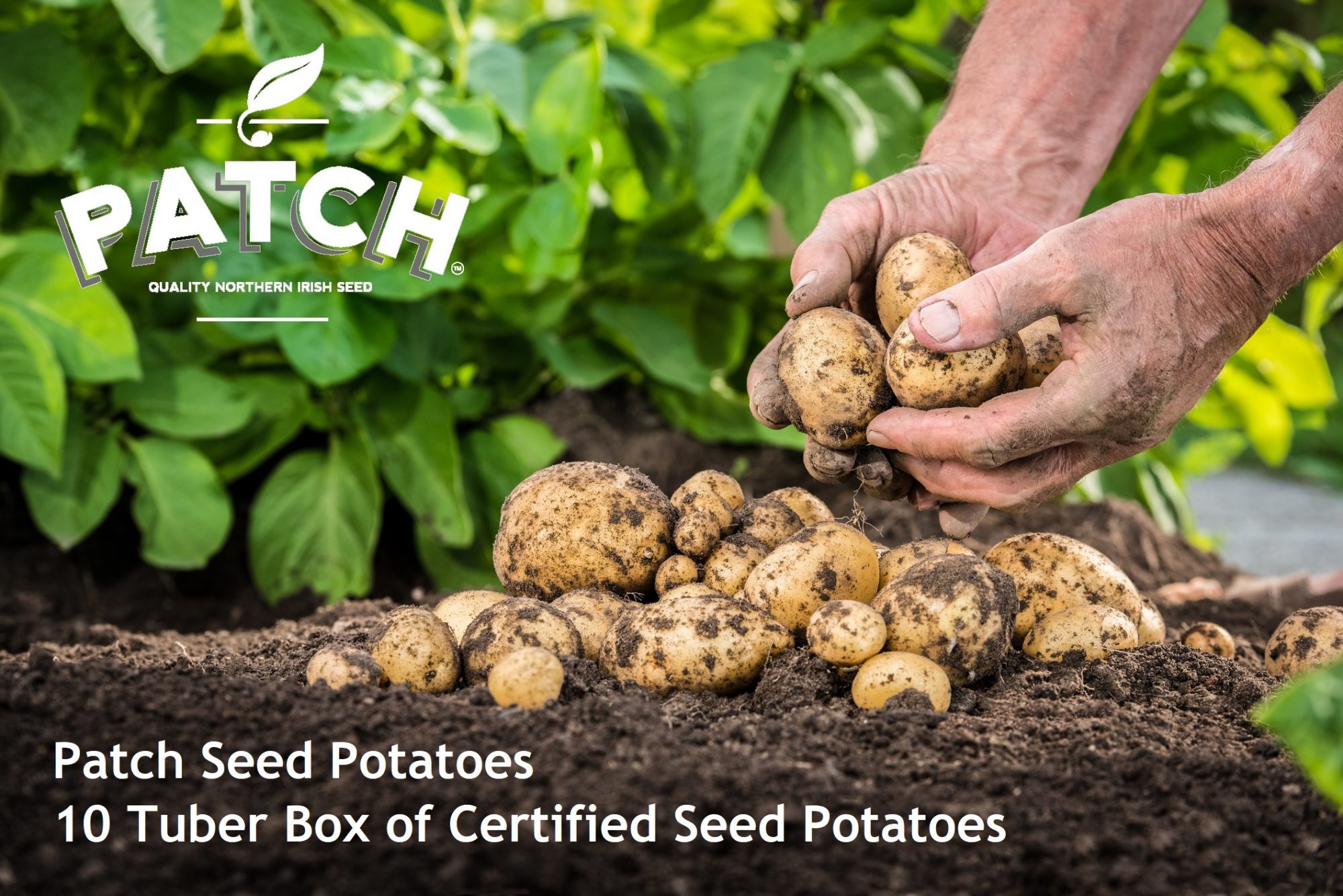
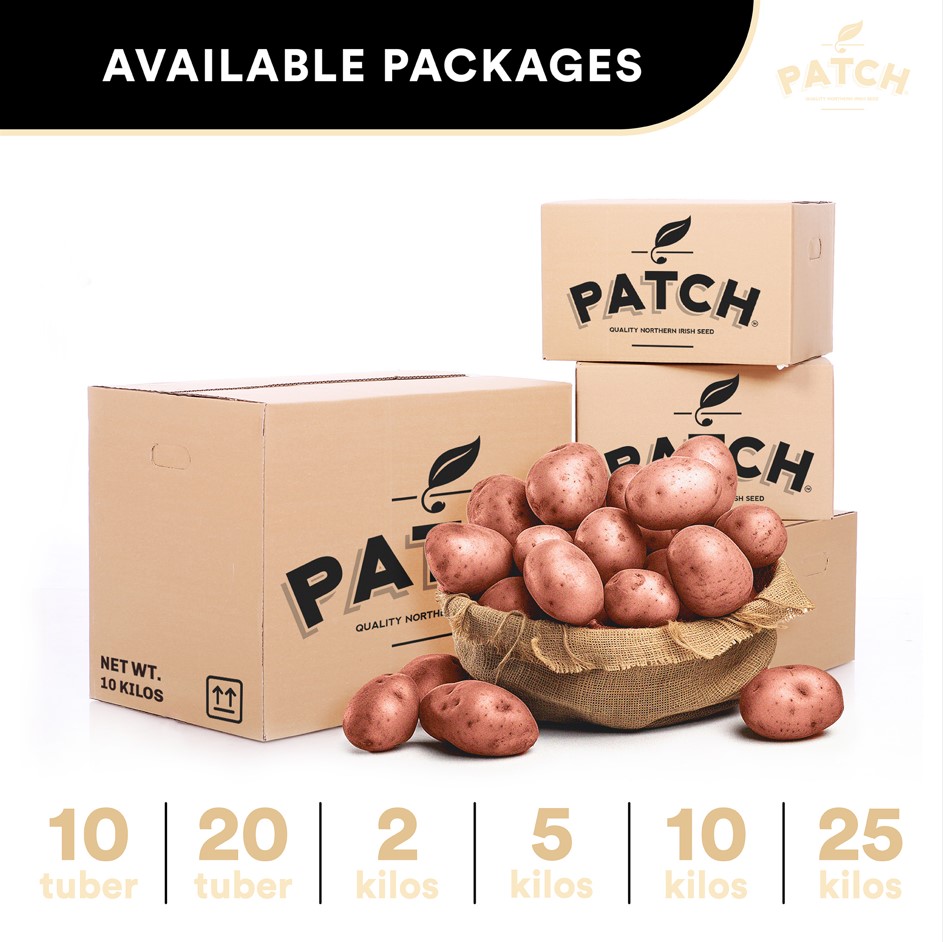
Choose 10 certified seed potatoes from the varieties currently available, or select Random Mix for an unlabelled assortment chosen by Patch.
Description
Sometimes you know exactly which potato you want to grow. Sometimes you would rather leave the choosing to us. This handy 10-tuber pack lets you do either.
Select a named variety for ten certified seed potatoes of that variety, or choose Random Mix for a surprise selection packed by the Patch team.
Random Mix
Our Random Mix is an assorted box of seed potatoes selected from the varieties available when we pack your order. We aim to include a good balance of useful, interesting and distinctive potatoes and, where possible, a variety with coloured purple or red flesh.
The tubers are packed together without individual variety labels. Part of the fun is growing them without knowing exactly which varieties will appear. The contents vary from box to box and a particular variety, colour or maturity cannot be guaranteed.
Choose a named variety
If you select a named variety, all ten tubers in the pack will be that variety. Add another pack separately if you would like to grow more than one named variety.
- 10 certified seed potatoes.
- Most of our seed potato range is grown in Northern Ireland, with selected varieties sourced from trusted growers elsewhere.
- Hand-checked before packing.
- A useful size for containers, raised beds and smaller gardens.
Seed-potato dispatch normally begins in December/January. The variety menu reflects current availability and may change as the season progresses.
Additional information
Planting Advice
WHERE?
Seed potatoes can grow in almost any soil type, but ideally they prefer to be grown in deep, well-drained, loamy soils that are not too heavy. These can be enriched with plenty of organic materials to help retain water and nutrients for your potatoes to grow big and healthy.
Potatoes hate the frost, so a nice site facing south to get plenty of sun is ideal.
Please note that potatoes are also susceptible to a wide range of pests, including slugs and aphids.
If you are planting potatoes every year, they should be planted in a different position each year. This is known as crop rotation. A minimum of 3-4 years should be left before planting again in the same position. This helps reduce diseases among the crop.
WHEN?
First earlies, second earlies and maincrop – these terms refer simply to how long it takes between planting and harvesting.
Earlies – Plant March to April (when weather turns a little milder), minimum 10 weeks to mature (13-15 weeks for second earlies), harvest around June.
Maincrop – Plant mid to late April, allow approximately 20 weeks to mature, to be harvested August onwards. Maincrop take up the most room in your garden but they are the best varieties to store for eating at a later date.
ON ARRIVAL
Whenever you receive your seed potatoes you should begin the process of ‘chitting’. This just means encouraging the potato grow a sprout. This is best done in a frost-free sunny area. An easy method is to leave your potatoes in an egg carton, with the blunt end with most eyes facing upwards. The short shoots that appear will help get the potatoes off to a good start when planted. While not essential for maincrop varieties, we strongly recommend chitting for your earlies.
Small green or purple shoots approximately 1 inch long are ideal. Long white shoots are a sign of too much heat and not enough light.
PLANTING
Planting usually starts by making a ‘V’ shaped drill about 5” deep in your soil. Or, if you have limited room and light enough soil you can make a hole to carefully drop your potato into.
Rows should be made 24” apart for Early varieties, and 30” apart for Maincrop.
Seed spacing within the row, Earlies should be placed 12” apart, Maincrop 15”.
After planting out along the drills, carefully cover each potato with a handful of peat or fine soil. Make sure not to snap off the sprouts, they are fragile! The potatoes should have a covering of approx 3” of soil.
Small green or purple shoots approximately 1 inch long are ideal. Long white shoots are a sign of too much heat and not enough light.
EARTHING UP!
As your plants grow, earth or soil needs to be used to cover the potatoes as they begin to show above the surface. This is to prevent the tubers turning green from exposure to light, and therefore inedible.
Earthing up can be done to cover some leaves as well; this will not do your crop any harm. Repeat the process until the ridges become 8 inches high.
FOOD AND WATER
Adding fertiliser can increase yields, but avoid high nitrogen rates as they will delay crop maturity.
Potatoes love moisture, particularly when the tubers begin to form around flowering time. Giving the crop a heavy soaking less often is preferable as this gets down deep through the roots.
Rainfall should be sufficient, especially in the UK and Ireland! However, in periods of drought they should
Small green or purple shoots approximately 1 inch long are ideal. Long white shoots are a sign of too much heat and not enough light.
HARVESTING
When to harvest depends on dates of planting, variety and also weather conditions throughout the season. Generally:
First Earlies – We like to eat when freshly harvested, June-July in small amounts.
Second Earlies – Same as first, small quantities eaten fresh in late June-July.
Maincrop – Lift from September onwards normally. When storing, ensure the tubers are thoroughly dried, and stored in a breathable sack, in a cool, dark dry place.
* These are growing guidelines, and depend on region and climate. For further details do not hesitate to contact us via phone or email on:
+44 (0) 28 30 851661 | patch@mccreightpotatoes.com
Only logged in customers who have purchased this product may leave a review.
Related products
-
2kg Certified Seed Potatoes – Choose Your Variety
From £10.99 Select options This product has multiple variants. The options may be chosen on the product page -
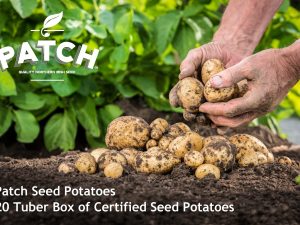
20 Certified Seed Potatoes – Choose Your Variety
From £9.99 Select options This product has multiple variants. The options may be chosen on the product page -

10kg Certified Seed Potatoes – Choose Your Variety
From £18.50 Select options This product has multiple variants. The options may be chosen on the product page -
25kg Certified Seed Potatoes – Choose Your Variety
From £34.00 Select options This product has multiple variants. The options may be chosen on the product page
Reviews
There are no reviews yet.